


Keeping Cool in the Summer Heatwave

June 30th, 2026 by

Surviving the Sweltering DuPage County Summers: Your Guide to Keeping Cool in the Summer Heatwave of IL

A silver Ford Explorer SUV driving on a highway with motion blur on a sunny day.


As summer reaches its peak in northern Illinois, communities like Carol Stream, Glendale Heights, and Bloomingdale face extreme weather conditions characterized by heavy humidity and intense heatwaves. Navigating these sweltering months requires preparation, especially when it comes to your vehicle. Your car is not just a mode of transportation; during a severe heatwave, it is your primary shield against dangerous elements. When outdoor temperatures climb into the mid-90s or low 100s, the heat index inside a parked vehicle can reach a life-threatening 140 degrees Fahrenheit in less than an hour. Understanding how to manage this heat, protect your vehicle, and ensure your passengers stay comfortable is essential for every DuPage County driver.


This comprehensive guide explores the essential aspects of automotive heat management, offering professional advice, technical insights, and highly practical strategies designed to keep you cool. We will examine the mechanics of your vehicle’s air conditioning system, detail the critical role of regular maintenance, and provide actionable tips for optimizing your cabin’s temperature. Whether you are commuting along North Avenue, driving your kids to local parks in Bloomingdale, or embarking on a long summer road trip across Illinois, this guide will equip you with the knowledge to handle the harshest summer conditions with absolute confidence.


At Hawk Ford of Carol Stream, we believe in supporting our local community with expert insights that make every drive safer and more comfortable. Throughout this article, we will connect you to valuable resources, including our professional service department and high-quality replacement parts. Let us dive into the science of staying cool and explore how proper vehicle care can make a dramatic difference in how you experience the summer heatwave of Illinois.


How Does a Car’s Air Conditioning System Work to Cool the Cabin During a Heatwave?


To understand how to keep your vehicle cool during a severe Illinois heatwave, it helps to understand the underlying technology of automotive air conditioning. Many drivers believe that an A/C system works by creating cold air and blowing it into the cabin. In reality, an automotive climate control system works on the thermodynamic principle of heat extraction. The system identifies heat inside the vehicle’s cabin, absorbs it, and transfers it to the outside environment, leaving behind cooler air. This continuous thermodynamic cycle relies on a specialized substance known as refrigerant, which transitions between liquid and gaseous states to facilitate heat exchange.


The cycle begins at thecompressor, which is often considered the heart of the air conditioning system. Driven by an engine accessory belt, the compressor pressurizes gaseous refrigerant, transforming it into a high-pressure, high-temperature gas. This hot gas is then pushed forward to thecondenser, which is located at the front of your vehicle, directly in front of the radiator. As you drive down local roads or as the radiator fan pulls air through the grille, the cooler ambient air absorbs heat from the refrigerant passing through the condenser’s coils. This cooling process causes the high-pressure gas to condense into a high-pressure liquid.


Next, the pressurized liquid refrigerant passes through a receiver-drier or accumulator, which filters out moisture and debris, and then heads toward the expansion valve or orifice tube. This component acts as a restriction point, regulating the flow of refrigerant and allowing its pressure to drop rapidly. This sudden drop in pressure causes the liquid refrigerant to cool down dramatically as it enters theevaporator, which is located behind your vehicle’s dashboard. The cabin’s blower fan forces warm air from the interior across the cold outer surfaces of the evaporator. The refrigerant inside the evaporator absorbs the heat from this cabin air, turning back into a low-pressure gas, while the newly cooled air is blown through your dashboard vents.


When Illinois experiences extreme heatwaves, the temperature gradient between the hot outdoor air and the vehicle’s interior becomes massive. High relative humidity levels common in the Midwest introduce a large volume of moisture into the air. This moisture condenses on the cold evaporator coils, requiring the system to perform double duty: it must simultaneously lower the air temperature and dehumidify the air. The compressor must run longer and harder, placing a significant mechanical load on your engine and accessory belts. If your system has even a minor refrigerant leak, a worn compressor clutch, or a dirty condenser, its efficiency will plummet, leaving you with lukewarm airflow when you need cooling the most.


How Often Should a Car’s Cabin Air Filter Be Replaced to Maintain Strong Airflow?
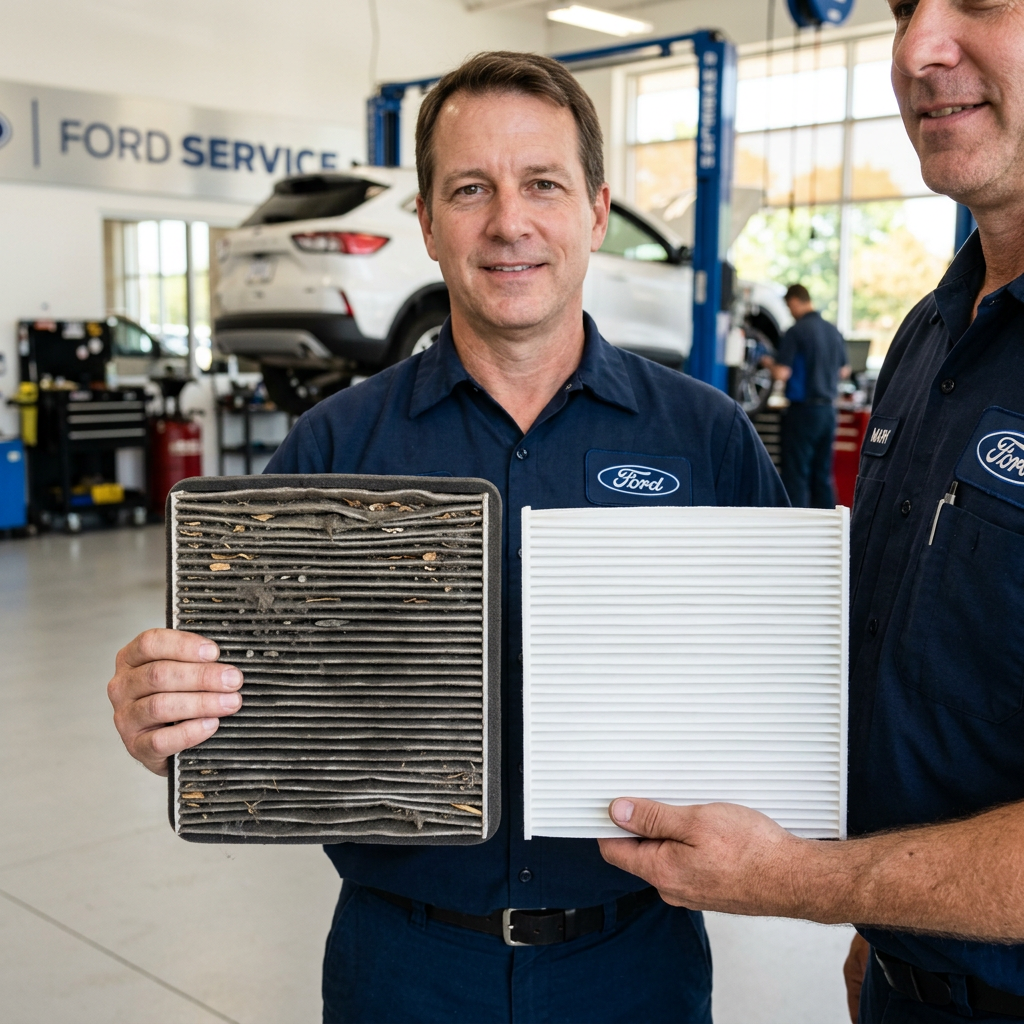
A Ford technician holding a dirty cabin air filter next to a clean white one in a service garage.


The cabin air filter is a vital component of your vehicle’s climate control system, acting as a barrier that prevents dust, pollen, mold spores, and outdoor pollutants from entering your vehicle’s cabin. During the spring and summer months in DuPage County, agricultural activities, construction, and high pollen counts load the air with microscopic particulates. If these contaminants are left unfiltered, they can coat the interior surfaces of your climate control vents and compromise the air quality of your passenger compartment, posing risks for those with allergies or respiratory conditions.


As a cabin air filter accumulates debris, it gradually restricts the volume of air that can pass through the climate control system. When the filter becomes heavily clogged, you may notice a significant decrease in the strength of the airflow coming from your dashboard vents. Your A/C system may struggle to cool the cabin efficiently, forcing you to run the blower fan at maximum speed constantly. Other clear signs of a clogged filter include a persistent, musty odor when the climate control system is active, or an unusual whistling or humming noise coming from behind the glove box where the filter housing is located.


To maintain strong, clean airflow, automotive manufacturers generally recommend replacing the cabin air filter every 12,000 to 15,000 miles, or at least once a year. If you frequently drive in dusty areas, sit in heavy stop-and-go traffic on local expressways, or park under sap-producing trees, you may need to replace it more frequently. Keeping your filter clean reduces mechanical strain on your blower motor, preventing premature failure and expensive repairs. For high-quality, OEM-certified replacement filters engineered specifically for your vehicle, visit the Hawk Ford of Carol StreamParts Center, where our team can help you select and install the correct filter for your vehicle.


How Long Should I Run the A/C Before Leaving If the Car Has Been Sitting in the Sun?


On a scorching summer day, a vehicle parked in direct sunlight can quickly turn into a thermal trap. It is highly tempting to start your car, crank the air conditioning to its maximum setting, and let it idle in your driveway for 15 minutes before climbing inside. However, this is actually the least efficient and most mechanically taxing way to cool down your vehicle. When a car is idling, the engine is turning over at low RPMs, meaning the water pump, alternator, and A/C compressor are not operating at their optimal speeds. Additionally, there is no natural airflow passing through the condenser at the front of the vehicle, which severely limits its ability to dissipate heat. Long periods of idling in extreme heat can lead to rapid engine heat buildup and unnecessary fuel consumption.


To cool your vehicle down in the fastest and most efficient way possible, follow this simple thermodynamic routine. Before starting the vehicle, open all the passenger doors or roll down the windows completely for about 30 to 60 seconds. This simple action allows the superheated air inside the cabin—which can exceed 130 degrees—to escape and be replaced by cooler ambient outside air. Once you start the engine, begin driving with the windows rolled down for the first minute or two. Keep your climate control system turned on with the fan speed set high, but make sure the ‘Recirculation’ mode is turned OFF. By driving, you force the hot air out of the cabin while generating substantial airflow across the condenser, allowing the A/C system to start operating at peak cooling efficiency.


Once you feel cool air starting to flow consistently from your dashboard vents, roll up all the windows and turn the ‘Recirculation’ mode ON. Recirculation blocks hot, humid outside air from entering the system and instead recirculates the already cooled and dehumidified air inside your cabin, making it much easier for your A/C system to maintain a comfortable temperature. If you find that your vehicle’s air conditioning takes an unusually long time to blow cold air, or if it only feels cool when you are driving at highway speeds, your system may be low on refrigerant or dealing with a failing cooling fan. To address these symptoms before they escalate into complete system failure,Schedule Service Nowwith our certified technician team to get a professional diagnostic evaluation.


What Is the Legal Window Tint Limit in Illinois for Heat Reduction?
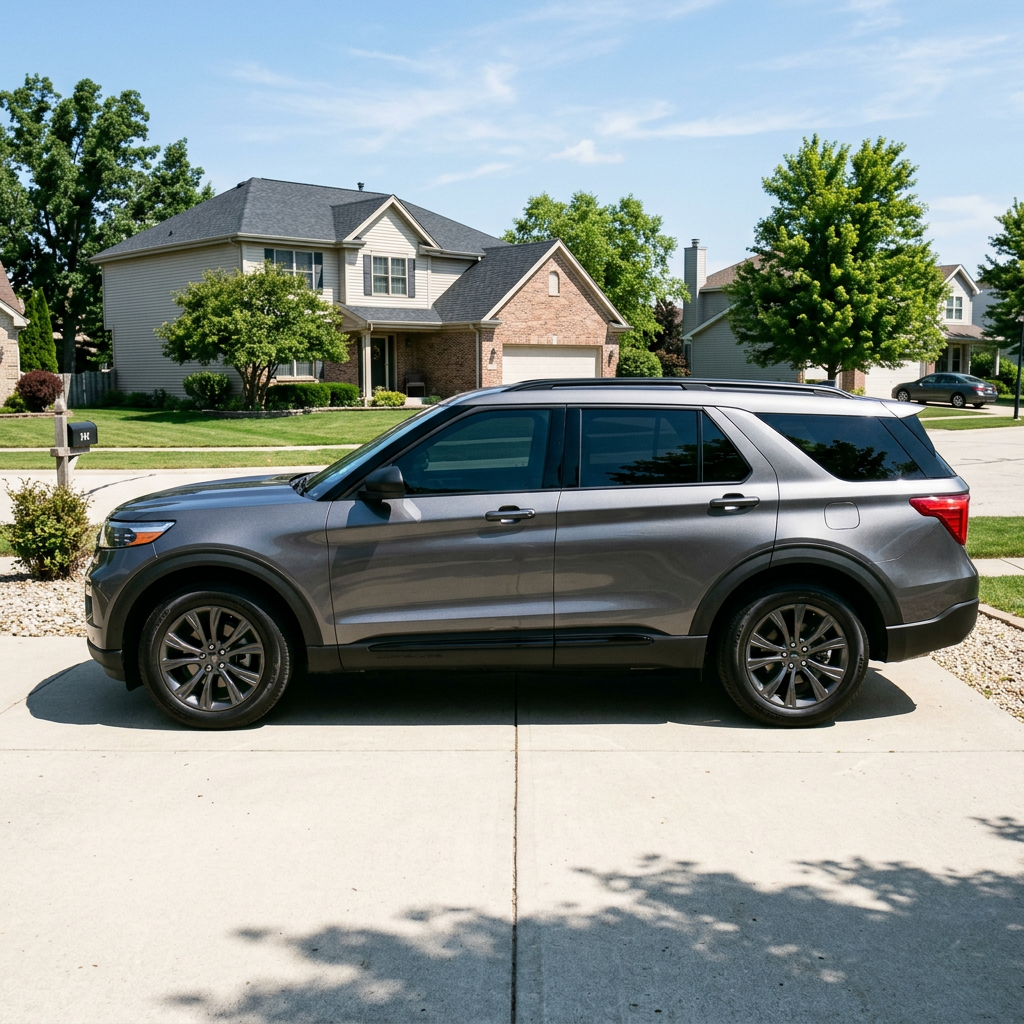
 

Applying window tint to your vehicle is one of the most effective ways to combat cabin heat buildup during a summer heatwave, but it is critical to stay within the boundaries of Illinois state law. Tint darkness is measured by Visible Light Transmission (VLT), which is the percentage of light that can pass through the window film. In Illinois, the legal limits vary depending on the type of vehicle and which windows are being tinted. For passenger sedans, the law permits a window film with a VLT of up to 35% on all side windows (both front and rear) and the rear windshield. If the rear windows are tinted darker than 35%, no tint is allowed on the front side windows.


For multi-purpose passenger vehicles, such as SUVs and pickup trucks, the regulations are slightly different. These vehicles are permitted to have window film with a VLT of 35% on the front driver and passenger side windows. However, the rear side windows and the rear windshield can be tinted as dark as desired, including a private 5% tint. On the front windshield of any vehicle, window tint is strictly prohibited, with the exception of a non-reflective strip along the very top of the glass, extending down no further than six inches from the upper edge of the windshield.


A gray SUV parked on a concrete driveway in front of a two-story suburban house.


When selecting a window tint for heat reduction, the type of technology used in the film is far more important than how dark it looks. Traditional dyed tints work primarily by absorbing light, which only offers minimal heat rejection and can degrade over time, turning purple or bubbling. In contrast,ceramic window tintcontains microscopic ceramic nanoparticles that are non-conductive and highly effective at blocking solar energy. Ceramic films can reject up to 60% of total solar heat and block more than 99% of harmful ultraviolet (UV) and infrared (IR) rays, even at very light VLT levels. This means you can keep your vehicle legally compliant and visually clear while still enjoying an incredibly cool, protected cabin.


Why Does Tire Pressure Matter More in Hot Weather and Extreme Heatwaves?


The physical relationship between outdoor temperature and tire pressure is governed by basic gas laws. As the temperature of the air inside your tires increases, the air molecules expand and move more rapidly, causing the internal pressure to rise. As a general rule of thumb, tire pressure increases by approximately 1 to 2 pounds per square inch (PSI) for every 10-degree Fahrenheit increase in ambient temperature. During a summer heatwave, a tire that was correctly inflated to 32 PSI in the cool morning air can easily rise to 36 PSI or more as the afternoon sun heats up the pavement.


This thermal expansion poses a significant safety hazard when combined with hot road surfaces. During a severe Illinois heatwave, asphalt temperatures on busy local expressways can exceed 140 degrees Fahrenheit. This intense road heat, combined with the friction generated by driving at highway speeds, causes tire temperatures and pressures to escalate rapidly. An over-inflated tire has a reduced contact patch with the road, leading to uneven tread wear, reduced traction, and a much harsher ride. More importantly, the excessive pressure places extreme stress on the tire’s internal structure and sidewalls, dramatically increasing the risk of a catastrophic blowout.


To prevent heat-related tire failures, it is critical to check your tire pressure regularly and accurately. Always measure tire pressure in the morning before driving the vehicle, or after it has been parked in the shade for at least three hours. This ensures you are measuring the ‘cold’ tire pressure, which is the baseline standard used by vehicle manufacturers. Refer to the tire information placard located on your vehicle’s driver-side door jamb to find the recommended cold PSI for your specific vehicle. Never rely on the maximum PSI listed on the tire’s sidewall itself, as this represents the absolute limit the tire can hold under maximum load, not the optimal pressure for your daily commute.


Are Ventilated Seats Worth Paying For in a Hot Climate Like Northern Illinois?
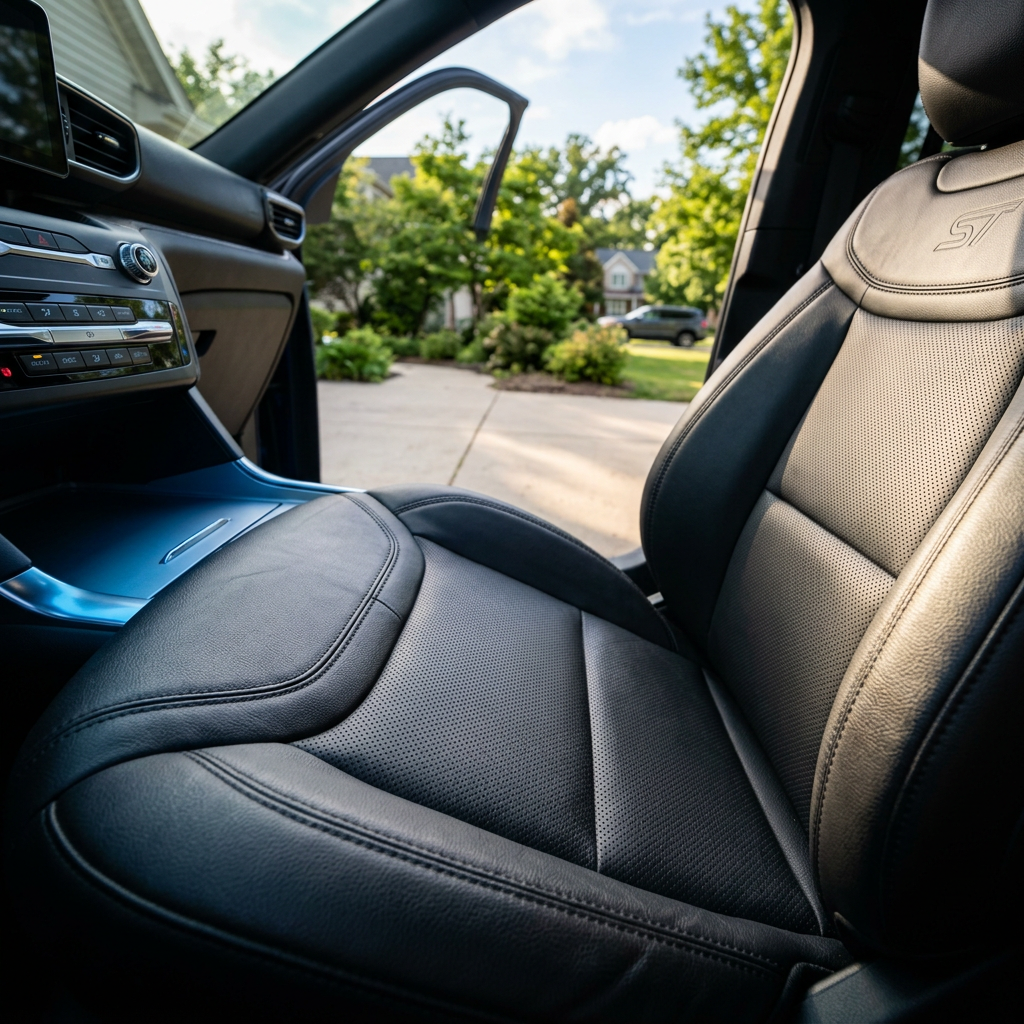
 

When shopping for a new vehicle, many buyers wonder if premium features like ventilated or actively cooled seats are worth the extra investment, especially in a northern climate like Illinois where winters can be long and cold. While heated seats are a necessity for our freezing winter months, ventilated seats are quickly becoming an equally indispensable comfort feature during our humid, stifling summers. High humidity levels in the Midwest prevent sweat from evaporating efficiently, often leading to a sticky, uncomfortable driving experience even when the cabin’s air conditioning is running at full capacity.


Ventilated seats work by using small, integrated fans built into the seatback and cushion to circulate cabin air through a series of perforations in the leather or fabric upholstery. This continuous airflow accelerates evaporation, pulling moisture away from your body and preventing that common, uncomfortable feeling of having your back stick to the seat. Actively cooled seats take this technology a step further by utilizing specialized thermoelectric cooling elements or routing chilled air directly from the A/C system through the seat, providing an immediate, refreshing cooling effect that makes even the hottest midday drives highly enjoyable.


Black perforated leather car seat with ST logo, looking out an open door to a suburban driveway.


Investing in ventilated seats dramatically improves your daily driving comfort, reduces overall fatigue during long road trips, and allows you to run your cabin’s primary climate control system at a more moderate, fuel-efficient setting. Many modern Ford models, including the Ford Explorer, F-150, Expedition, and Edge, offer ventilated and cooled seating options as part of their mid-to-high trim levels. If you are ready to upgrade your summer driving experience, explore our extensiveNew Vehicle Inventoryto find a model equipped with this premium comfort technology, or visit our showroom to experience it firsthand.


What Are the Best Low-Cost Ways to Stay Cool in a Car Without Buying a New Vehicle?


You do not need a brand-new vehicle with advanced features to stay cool during an intense summer heatwave. There are several highly effective, low-cost strategies you can implement immediately. First, invest in a high-quality, custom-fit reflective windshield sunshade. These accordion-style shades feature a reflective metallic coating that bounces solar radiation away from your vehicle, preventing it from heating up your dashboard and steering wheel. Additionally, using a light-colored fabric steering wheel cover can prevent painful hand burns when you return to your vehicle after it has been sitting in the sun.


Strategic parking is another powerful, cost-free tool for managing cabin heat. Whenever possible, seek out parking spots shaded by trees, buildings, or parking structures. If you are spending the afternoon at local parks near Bloomingdale or visiting recreational fields in Glendale Heights, take a moment to look for spots that will receive shade during the hottest hours of the afternoon. Even if it requires walking a bit further to your destination, parking in the shade can keep your vehicle’s interior up to 20 degrees cooler than parking in direct, unfiltered sunlight.


Finally, utilize smart accessories to manage your personal temperature. Keep a vacuum-insulated stainless-steel water bottle filled with ice water in your cup holder; unlike plastic bottles, insulated containers will prevent your water from heating up even in a hot cabin. You can also keep a small cooler in your back seat with damp microfiber towels. Draping a cold, damp towel over your neck can provide immediate, refreshing relief while you wait for your vehicle’s air conditioning to cool down the cabin. These simple, budget-friendly habits make a significant difference during a heatwave.


Preventing Engine Overheating: Why Your Engine Coolant Is Just as Important as Cabin A/C
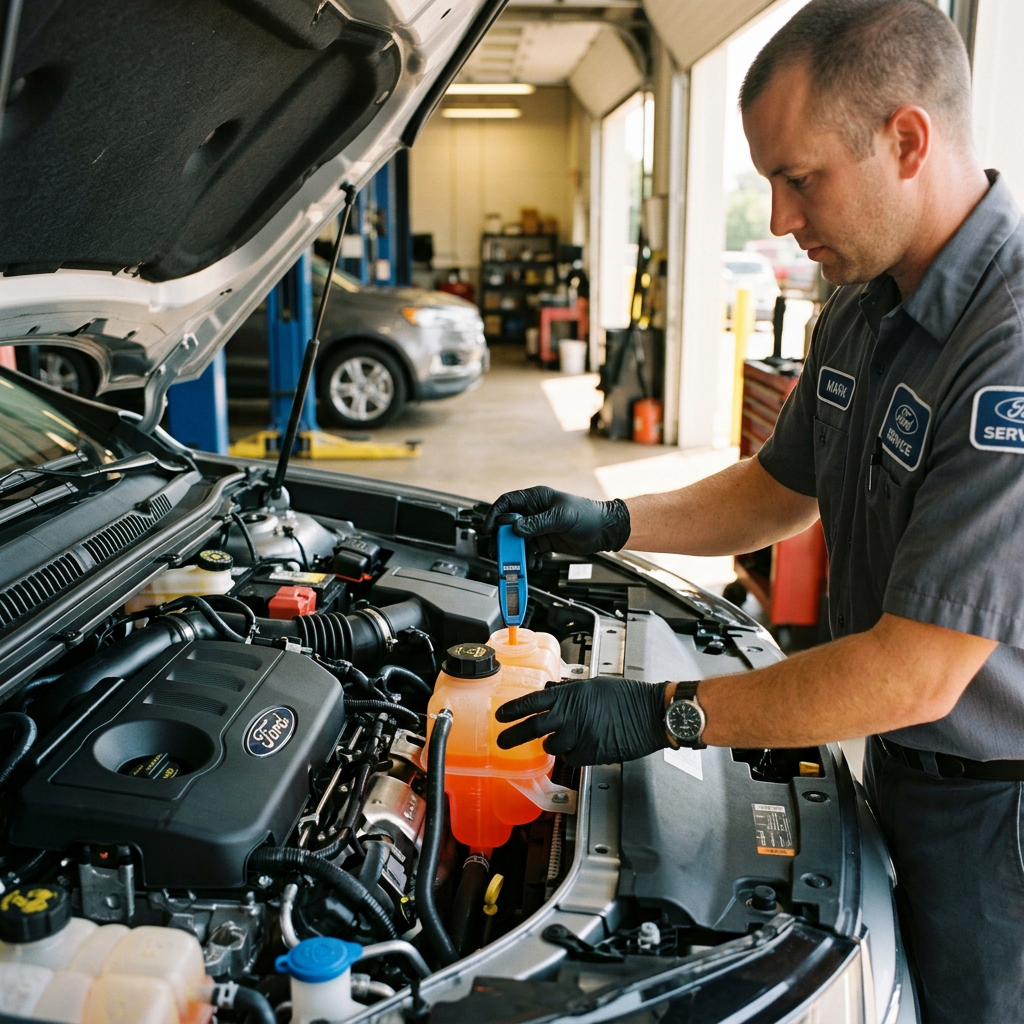
 

While maintaining a comfortable cabin temperature is essential for passenger comfort, keeping your engine from overheating is critical for your vehicle’s survival. Your engine operates by burning fuel, which generates an immense amount of internal heat. To prevent this heat from destroying metal components, your vehicle relies on a closed-loop cooling system. This system pumps a mixture of water and engine coolant (antifreeze) through channels in the engine block to absorb heat, then routes it to the radiator where the heat is dissipated into the passing air before the fluid is pumped back through the cycle.


Engine coolant is formulated with special additives that raise the boiling point of the water and protect internal components from corrosion. Over time, these additives break down, reducing the coolant’s effectiveness and allowing rust and scale to accumulate inside the radiator and engine block. During a summer heatwave, your engine’s cooling system must work exceptionally hard because the ambient air passing through the radiator is already hot, making heat exchange much less efficient. If your coolant level is low, or if the fluid is old and degraded, your engine can quickly reach critical temperatures, leading to severe damage such as blown head gaskets or warped engine blocks.


Ford technician testing the engine coolant level inside a car's open hood at a service center.


As you drive along busy local roads like North Avenue, it is essential to monitor your dashboard’s temperature gauge. If you notice the needle rising toward the red zone, or if a warning light illuminates, take immediate action. Other clear signs of an overheating engine include a sweet, chemical smell (which indicates boiling coolant escaping the system), a sudden loss of engine power, or visible steam rising from under the hood. If this occurs, pull over safely, turn off the engine immediately, and let it cool completely. Never attempt to remove the radiator cap while the engine is hot, as the pressurized, boiling liquid can cause severe burns. Regular coolant flushes and system pressure tests are the best ways to prevent these dangerous situations.


The Hidden Toll of Heat: How High Temperatures Drain Car Batteries and Wear Down Belts


Many drivers associate battery failures with freezing winter mornings, but extreme summer heat is actually far more damaging to a car battery’s internal chemistry. High temperatures accelerate the chemical reactions inside the battery, which can lead to overcharging and rapid internal plate degradation. Furthermore, intense under-hood heat causes the liquid electrolyte solution inside the battery to evaporate, reducing its charge capacity and leaving internal plates exposed to air, which accelerates permanent damage and corrosion.


In addition to draining your battery, extreme summer heat places immense physical stress on your vehicle’s drive belts and cooling hoses. Made of heavy-duty rubber compounds, these components are designed to withstand high temperatures, but constant exposure to severe heat cycles causes them to degrade. Over time, the rubber can become dry and brittle, leading to hairline cracks, structural stretching, and eventual failure. A snapped serpentine belt will immediately disable your alternator, water pump, and A/C compressor, leaving you stranded on the side of the road.


Preventive maintenance is the key to avoiding these sudden breakdowns. During your regular oil change or scheduled service, ask your technician to perform a battery load test and visually inspect your belts and hoses for signs of wear. Catching a weak battery or a cracked belt in the service bay is far more convenient and cost-effective than dealing with a breakdown during a heatwave. To ensure your vehicle is fully prepared to handle the demands of summer,Schedule Service Nowwith the factory-trained technicians at Hawk Ford of Carol Stream.


Assembling a Summer Heatwave Emergency Kit for Your Drives Around Carol Stream and Glendale Heights
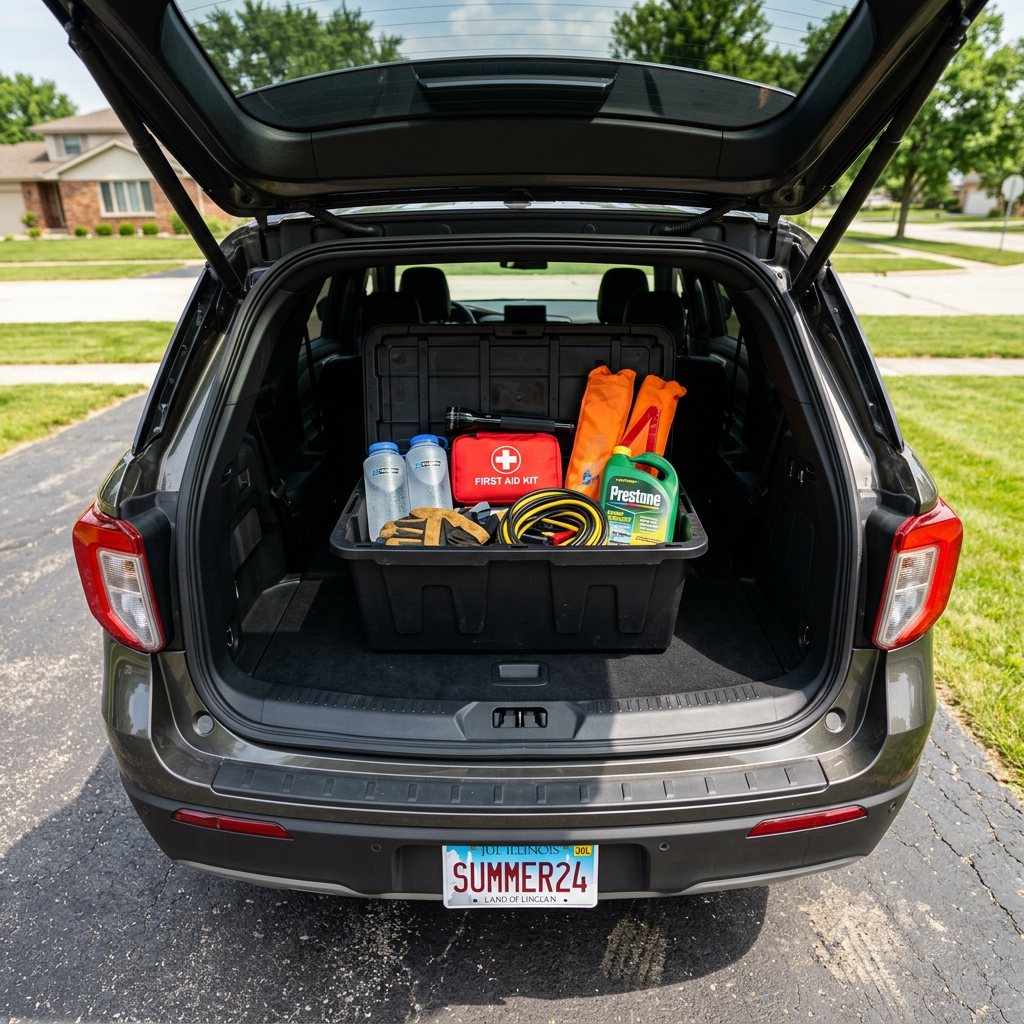
 

While we always hope for smooth, trouble-free drives, severe summer heatwaves introduce unpredictable variables that can lead to unexpected delays or mechanical breakdowns. If you find yourself stranded on a busy local road or a major highway during an extreme heat warning, having a well-stocked summer emergency kit can protect your health and safety. The most critical component of any summer kit is water. Keep several bottles of drinking water or a large, insulated jug of water in your vehicle. Staying hydrated is your primary defense against heat exhaustion and heatstroke while waiting for roadside assistance.


In addition to water, include a selection of non-perishable, heat-resistant snacks. Avoid items like chocolate or soft energy bars that can melt into a mess, and instead opt for raw nuts, seeds, dried fruit, or whole-grain crackers. These snacks provide clean energy and essential nutrients if you are delayed for an extended period. A fully charged portable phone charger or power bank is another essential safety item, ensuring you can maintain communication and call for assistance even if your vehicle’s electrical system is completely disabled.


An open SUV trunk filled with an emergency car kit including a first aid kit, water, jumper cables, and tools.


Finally, include specialized automotive supplies to address minor mechanical issues on the fly. Keep a gallon of pre-mixed engine coolant and a quart of motor oil in your trunk, along with a pair of heavy-duty work gloves to protect your hands from hot engine components. A basic first-aid kit, a set of jumper cables or a portable jump-starter, and highly visible reflective safety triangles or flares round out a comprehensive emergency kit. Store these items in a durable, climate-resistant container in your trunk, ensuring they are always ready when you need them most on your drives around Carol Stream and Glendale Heights.


Beat the Heat with Expert Summer Maintenance at Hawk Ford of Carol Stream


Surviving an intense summer heatwave in Illinois requires a combination of smart driving habits, proper personal care, and consistent, proactive vehicle maintenance. By understanding how your air conditioning and engine cooling systems operate under high-stress conditions, you can take practical steps to prevent breakdowns and ensure a comfortable, safe driving experience. From replacing your cabin air filter to checking tire pressures and carrying a summer emergency kit, small efforts can yield a major difference in how you and your vehicle handle the sweltering DuPage County heat.


At Hawk Ford of Carol Stream, we are committed to helping you keep your vehicle in peak operating condition all summer long. Our factory-trained, certified technicians have the specialized tools, diagnostics, and genuine OEM parts needed to keep your vehicle’s climate control and cooling systems running flawlessly. Whether you need a quick A/C charge, a comprehensive cooling system flush, or a full multi-point summer safety inspection, our team is here to provide professional, efficient service you can trust.


Do not wait for a complete system failure in the middle of a major heatwave to address your vehicle’s maintenance needs. Take action today to protect your comfort, your passengers, and your vehicle’s mechanical integrity.Get Directions to Hawk Ford of Carol Streamto visit our state-of-the-art service facility, orCall us at (630) 233-9696to speak with a service advisor directly. If you are considering upgrading to a newer, more comfortable vehicle with advanced features like ventilated seats, feel free to browse ourUsed Vehicle Inventoryor get started on your financing options by visiting our page toApply for Credit. You can also easilyValue Your Tradeonline to see how much your current vehicle is worth toward a new purchase. Let us help you stay cool, safe, and comfortable on every drive this summer.


}