How Rustproofing Shields Your Vehicle from Illinois Road Salt: Key Takeaways
Living in northern Illinois means enduring harsh, relentless winters where state, county, and municipal road crews deposit thousands of tons of rock salt (sodium chloride) and liquid de-icers (calcium chloride and magnesium chloride) onto highway corridors like Route 64, Interstate 355, and North Avenue. While these chemicals keep pavement bare and drivable, they create an aggressive chemical environment beneath your vehicle. Unprotected automotive steel reacts almost instantly with dissolved salts, water, and atmospheric oxygen, initiating electrochemical oxidation—commonly known as iron oxide formation or rust.
Professional rustproofing acts as a specialized chemical and physical shield engineered to stop this oxidation process before it begins. By applying hydrophobic petroleum-based oil sprays or active fluid films across exposed chassis components, metal seams, rocker panels, and suspension structures, rustproofing completely displaces lingering moisture and locks out oxygen. The hydrophobic barrier prevents saline slush from making contact with bare metal, ensuring your truck, SUV, or sedan remains structurally sound season after season.
The Science of Chemical Corrosion: Why Illinois Road Salt Destroys Unprotected Metal
Corrosion is fundamentally an electrochemical reaction. Pure water alone breaks down steel slowly, but when combined with dissolved road salt, the water becomes a highly conductive electrolyte solution. Calcium chloride and magnesium chloride, widely utilized in Chicagoland due to their ability to melt ice at temperatures as low as -25°F, are exceptionally hygroscopic. This means they attract moisture directly out of the ambient air even on clear winter days, keeping the underside of your car perpetually damp.
During typical DuPage County freeze-thaw cycles—where daytime highs bounce around 35°F and night temperatures plummet below freezing—slush trapped inside boxed frame rails, subframes, and wheel wells melts and refreezes repeatedly. This mechanical expanding force creates micro-fractures in factory painted or e-coated surfaces, giving salt ions free access to raw steel. Brake lines, fuel lines, suspension control arms, and rocker panels bear the brunt of this exposure.
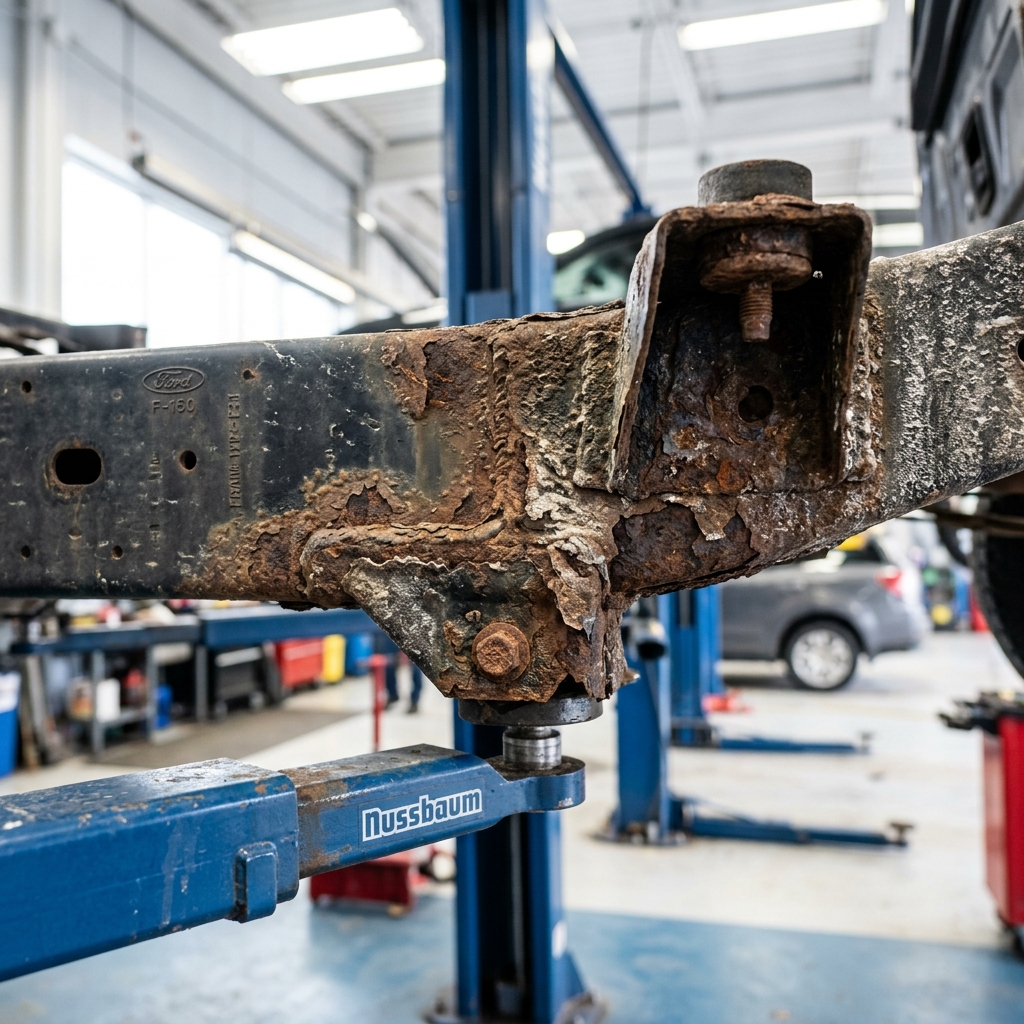
Once oxidation establishes a foothold, iron oxide occupies up to six times the volume of the original steel. This volumetric expansion causes metal to flake away in heavy scales (exfoliation corrosion), rapidly thinning structural components and compromising safety systems long before outer paint surfaces show visible rust.
What Is the Difference Between Oil-Based Rust Protection and Rubberized Undercoating?
Fluid Oil-Based Protection (Fluid Film / Penetrating Oils)
Modern oil-based rust barriers utilize low-viscosity, self-healing formulations that chemically creep into inner frame cavities, spot welds, pinch seams, and tight body panels. Because these fluids remain soft and pliable throughout freezing temperatures, they actively displace ambient humidity and water droplets. If gravel strikes a treated frame section, the surrounding fluid flows back into the scratch to re-seal the exposed metal automatically.
Thick Rubberized Undercoating (Hard Barrier Seals)
Traditional rubberized undercoatings create a heavy, rigid shell over exterior surfaces. While effective at dampening road noise, older or improperly applied rubber coatings can dry out, crack, or delaminate over time. When water and salt seep into microscopic cracks behind a rigid rubber layer, moisture becomes permanently trapped against the chassis, accelerating severe, hidden structural rust behind what looks like a solid protective coating.
| Feature / Attribute |
Self-Healing Oil Fluid Film |
Traditional Rubberized Coating |
| Seam & Cavity Creep |
Excellent (Flows into tight pinch welds) |
Poor (Bridges over gaps without penetrating) |
| Moisture Displacement |
Active Hydrophobic Displacement |
Passively Covers Surface Only |
| Resistance to Gravel Chips |
Self-Heals Automatically |
Can Crack / Trap Moisture |
| Re-Application Frequency |
Annual / Seasonal Touch-Up Recommended |
Multi-Year (Requires Crack Inspection) |
Schedule Your Pre-Winter Anti-Corrosion Treatment in Carol Stream
Body text
Chicagoland Fall Vehicle Prep: Rust Prevention, Battery Testing, and Winterization in Carol Stream
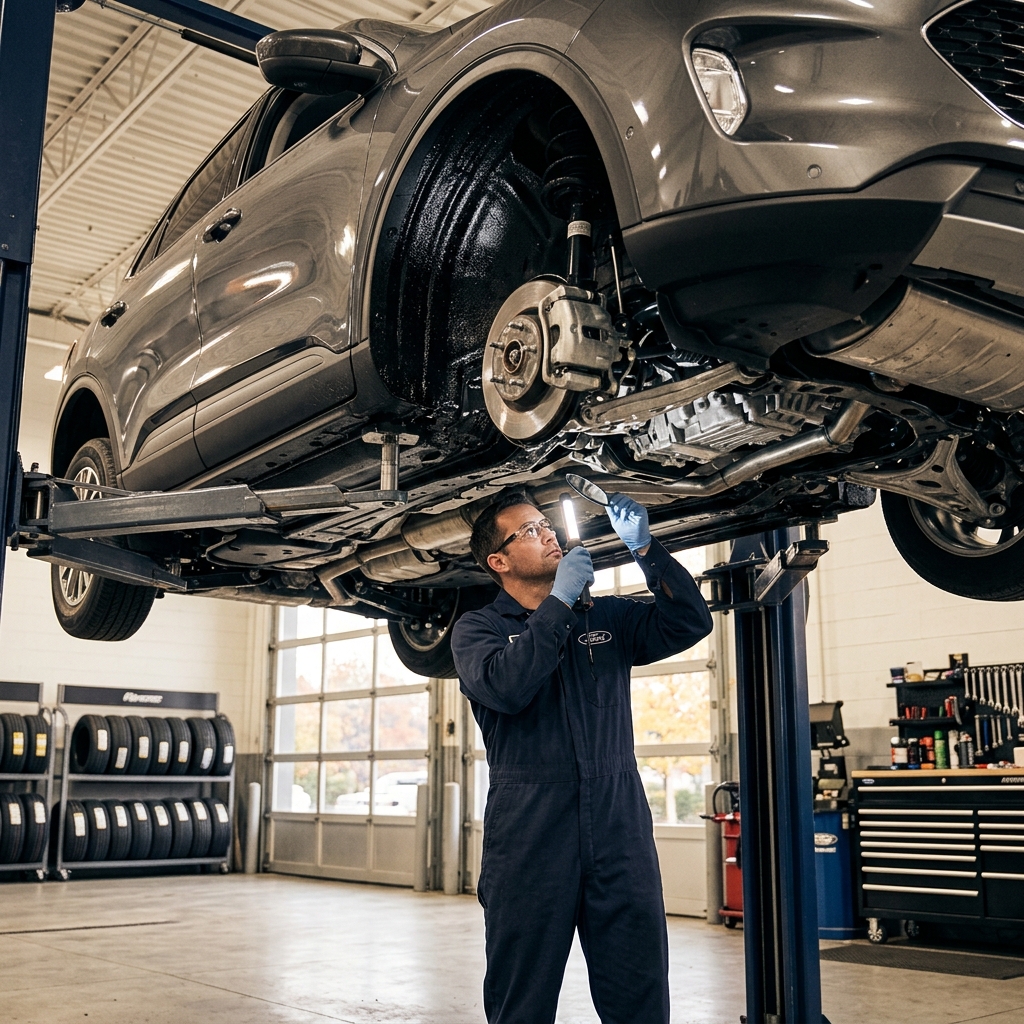
1. Undercarriage Wash & Barrier Application
Before applying protective anti-corrosion barriers, high-pressure undercarriage washing removes trapped dirt, fallen autumn leaves, and leftover summer debris from frame channels. Clean metal guarantees maximum adhesion for protective oil films and barrier coats.
2. Comprehensive Battery Health Diagnostics
Summer heat accelerates internal plate degradation in car batteries, but freezing temperatures reveal the damage. Cold weather slows down internal chemical reactions, reducing output power precisely when cold engine oil requires maximum cranking effort.
3. Cooling System & Seasonal Accessories
Verifying antifreeze freeze-point protection down to -30°F prevents engine block cracking. Replacing hardened summer wiper blades with heavy-duty winter beam blades keeps ice from accumulating across your windshield.
What Does a Professional Battery Test Check Before a Chicagoland Winter?
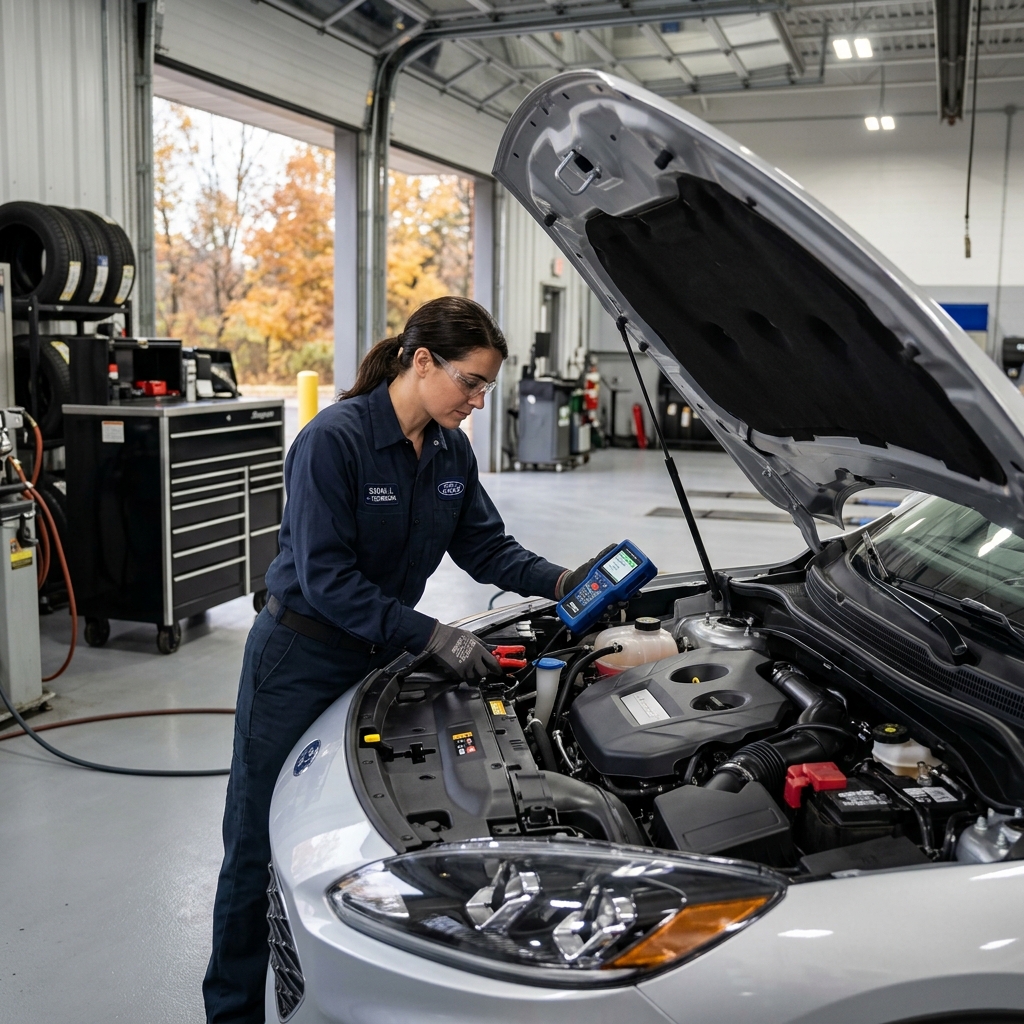
A quick visual check or basic multimeter voltage reading is rarely enough to determine if a battery will survive zero-degree Chicago mornings. Professional diagnostic equipment at Hawk Ford tests multiple critical operational parameters:
• Cold Cranking Amps (CCA): Measures the exact current output a battery can produce at 0°F for 30 seconds while maintaining functional voltage. • State of Charge (SoC): Confirms open-circuit voltage accuracy and baseline electrical capacity. • Internal Resistance (mΩ): Detects internal plate sulfation and grid breakdown before total sudden battery failure occurs.
• Starter Amperage Draw: Evaluates how much current starter motors demand during cold engine rotation. • Alternator Ripple & Diode Test: Verifies proper AC-to-DC rectification and steady charging voltage under electrical loads like heated seats and defrosters. • Terminal Corrosion & Hold-Down Security: Checks lead posts for acid crust build-up that chokes current transfer during start-ups.
Are Winter Tires Necessary in Carol Stream IL Compared to All-Season Tires?
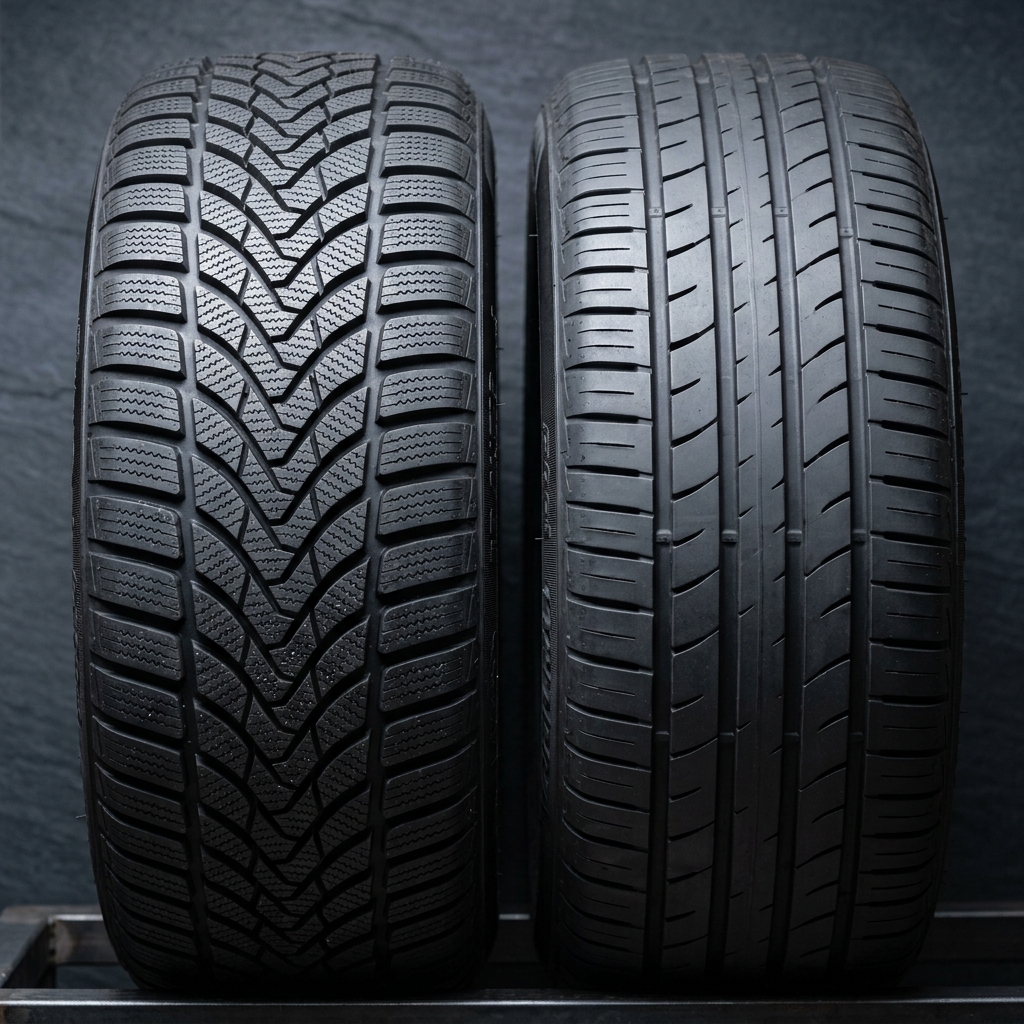
Many drivers assume All-Season tires provide complete coverage for winter in suburban Chicago. However, the term ‘all-season’ is somewhat deceptive in northern climates. All-season rubber compounds begin to stiffen and harden as ambient temperatures drop below 45°F. Once rigid, standard tread blocks slide across freezing pavement rather than conforming to the road surface.
Dedicated winter tires feature high-silica rubber compounds engineered specifically to remain soft, flexible, and pliable in sub-zero weather. High-density 3D siping (microscopic zigzag slits cut across tread blocks) opens up under load to bite directly into packed snow and sheer ice, delivering dramatically shorter stopping distances at busy intersections along Gary Avenue and Army Trail Road.
Is Professional Winterization Worth the Money Compared to DIY Prep?
DIY Driveway Prep Limitations
Driveway winter prep is often limited to aerosol spray cans, basic car wash salt rinses, and visual fluid checks. Without hydraulic lifts, home mechanics cannot access boxed frame interiors or properly clean heat-shield channels where road salt collects.
Full Hoist Access & Precision Tools
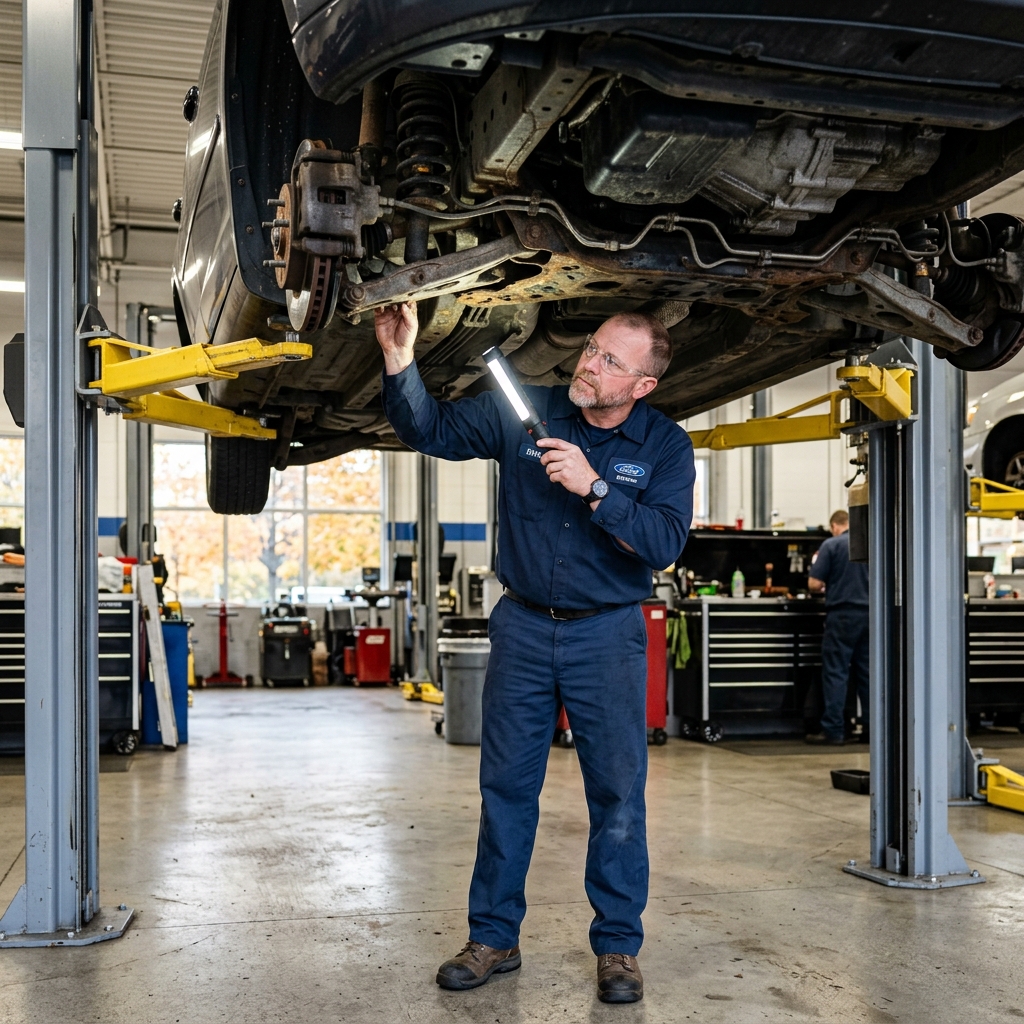
Professional service utilizes commercial hydraulic lifts, specialized 360-degree spray wands, and high-pressure washing gear. Technicians can inject protective oil films directly into internal frame cavities that DIY spray cans simply cannot reach.
Multi-Point Safety Inspection
Factory-certified technicians inspect brake line integrity, suspension bushings, cooling system pressure, heater core performance, and computer diagnostic codes simultaneously, preventing unexpected breakdowns during winter storms.
What Should Carol Stream Drivers Include in a Fall Vehicle Check Before Winter?
A systematic fall vehicle inspection ensures nothing is overlooked before northern Illinois severe weather arrives. Every comprehensive fall vehicle check should cover these critical safety areas:
• Brake Hydraulic Lines & Calipers: Inspect steel brake lines for surface pitting, rust flaking, or rubber bleeder cap degradation. • Suspension Bushings & Ball Joints: Check rubber boots for tears that allow salt slurry to wash away protective grease. • Heating & Defrosting Output: Verify proper heater core coolant flow and cabin air filter cleanliness to maintain rapid windshield defogging. • Exhaust System Seals: Inspect heat shields, hangers, and flex pipes for corrosion leaks that could allow exhaust fumes into the cabin.
• Emergency Trunk Kit: Ensure your vehicle carries heavy-duty jumper cables, a collapsible snow shovel, flashlights, extra warm gloves, and a traction mat.
How Underbody Corrosion Protection Preserves Your Vehicle’s Trade-In Value
When trading in a vehicle in the Midwest, dealership appraisers immediately inspect the chassis, subframe, suspension mounting points, and rocker panels. Structural frame rust or perforated sheet metal severely impacts vehicle safety ratings, often rendering trucks or SUVs ineligible for Certified Pre-Owned (CPO) programs.
By maintaining annual rust protection treatments, you protect vital structural components and electrical wiring harnesses beneath the body. Vehicles with clean, rust-free undercarriages command top market resale values and net higher trade estimates. Want to see what your current vehicle is worth today? Use our online tool to
Value Your Trade in minutes.
| Vehicle Condition Category |
Undercarriage Status |
Resale / Trade Impact |
| Clean / Protected |
Surface Clean, Zero Frame Rust |
Maximum Trade Value / CPO Eligible |
| Moderate Rust |
Surface Flaking on Suspension |
10% – 15% Value Deduction |
| Severe Corrosion |
Structural Pitting / Perforated Seams |
Up to 35%+ Deduction / Wholesale Only |
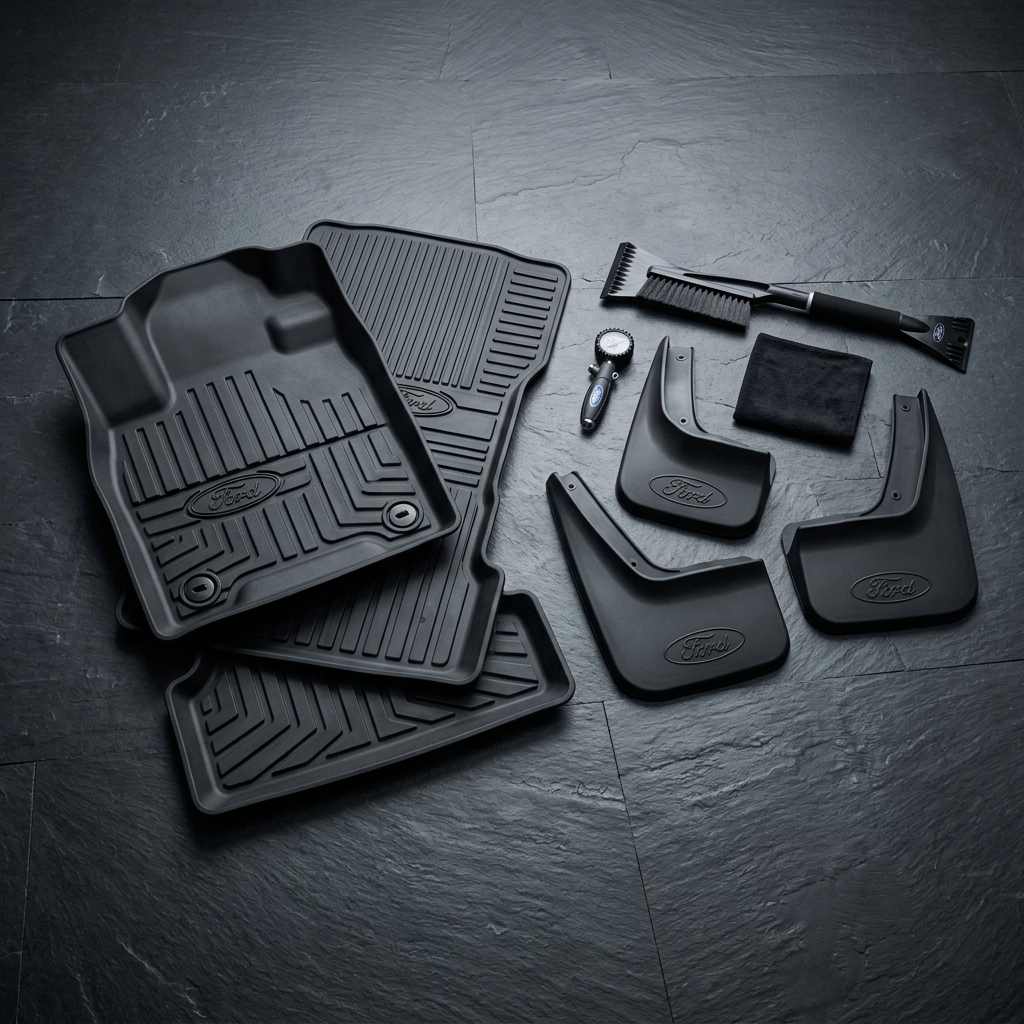
Essential OEM Winter Accessories and Protection Products for Suburban Drivers
All-Weather Floor Liners
Factory laser-measured high-wall floor trays contain melting snow, slush, and salt brine before liquids sink into interior carpeting and corrode under-carpet floor pans.
Molded Heavy-Duty Splash Guards
Custom-fit mud flaps block tire spray from hurling salt-laden slush and road gravel directly against lower rocker panels, lower doors, and rear quarter panels.
OEM Paint Pens & Parts Center
Seal gravel paint chips immediately with factory clearcoat and paint pens from our dedicated
Parts Center to block air and moisture before rust forms.
Protect Your Vehicle from Illinois Road Salt—Book Service at Hawk Ford of Carol Stream Today
Don’t let aggressive road salt shorten the lifespan of your vehicle. Drivers across Carol Stream, Glendale Heights, Bloomingdale, and West Chicago trust the factory-trained technicians at Hawk Ford of Carol Stream for comprehensive pre-winter protection, expert multi-point inspections, and complete seasonal maintenance.




0 comment(s) so far on Chicagoland Fall Vehicle Prep: Rust Prevention & Winterization