



Northern Illinois Winter Driving CCA Rating & Cold Weather Prep Guide
Key Takeaway: What CCA Rating Is Needed for Winter Driving in Northern Illinois?
When sub-zero polar vortex events sweep across Carol Stream and DuPage County, your car’s battery faces its toughest test of the year. For reliable winter driving in Northern Illinois, standard compact and midsize sedans or small crossovers require a battery rated at a minimum of 600 to 650 Cold Cranking Amps (CCA). If you drive a full-size pickup truck, V8 SUV, or performance vehicle, you should aim for a rating of 750 to 850+ CCA to ensure your engine turns over quickly on freezing mornings.
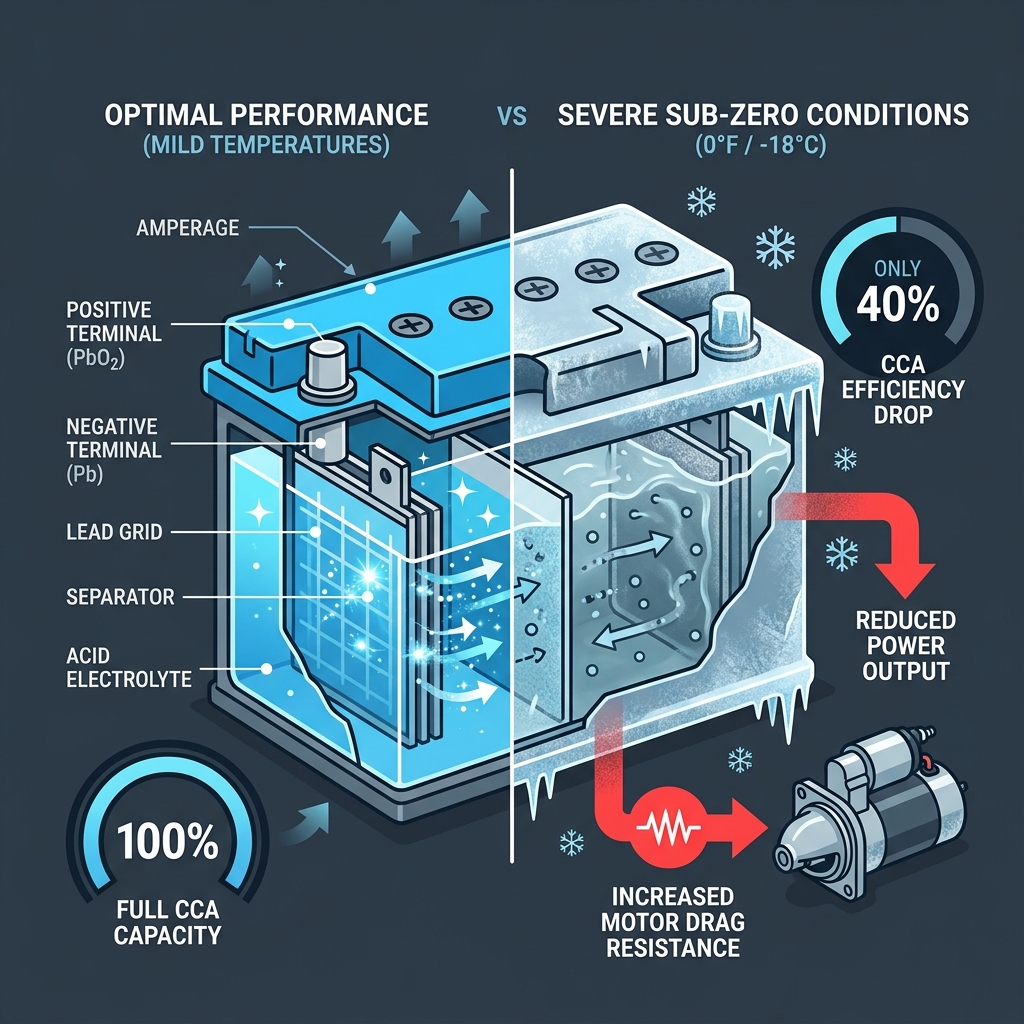
In Chicagoland, winter temperatures routinely drop near or below 0°F (-18°C). Extreme cold triggers a severe double-whammy on your vehicle: it slows down internal battery chemistry—robbing up to 50% of available cranking power—while simultaneously thickening motor oil into a viscous sludge that doubles the torque required for the starter motor to crank the engine. Installing a battery with an adequate CCA capacity prevents frustrating cold-start delays and keeps you safe on the road.
How Cold Cranking Amps (CCA) Work in Sub-Zero Northern Illinois Winters
Recommended CCA Ratings by Vehicle Type for Carol Stream and DuPage County Drivers
Selecting the correct battery rating depends heavily on your vehicle’s engine size, fuel type, and electrical demand. Drivers commuting through Carol Stream, Glendale Heights, and Bloomingdale should consult the following baseline CCA targets:
AGM vs Standard Flooded Lead-Acid Batteries for Severe Cold Weather
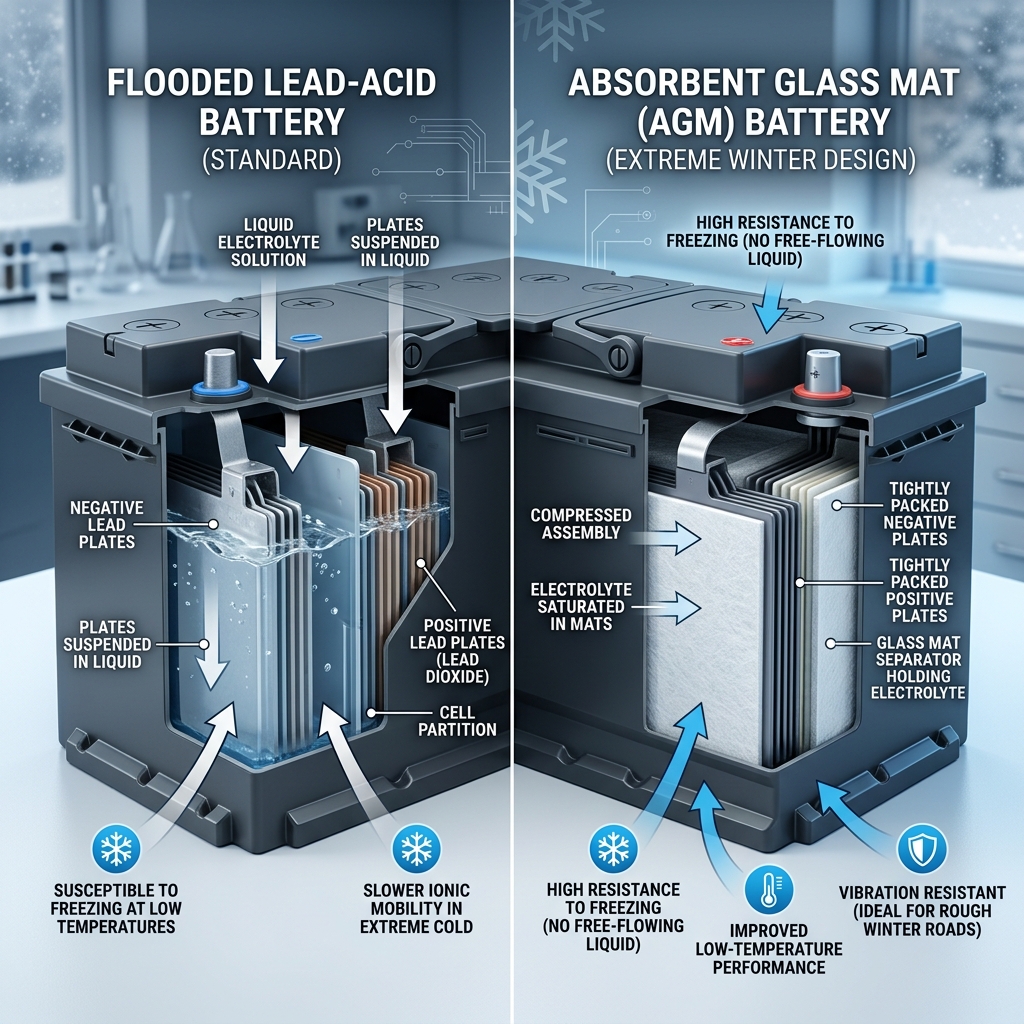
When upgrading your battery for Northern Illinois winters, choosing between Absorbent Glass Mat (AGM) and conventional flooded lead-acid technology makes a massive difference in cold-weather endurance and service life.
| Battery Property | Standard Flooded Lead-Acid | Absorbent Glass Mat (AGM) |
|---|---|---|
| Cold Temperature Output | Moderate drop in output at 0°F | Delivers up to 30% higher cold amperage |
| Recharge Speed | Standard recharge cycle | Recharges up to 5x faster on short trips |
| Vibration & Freezing Risk | Liquid electrolyte can freeze if discharged | Spill-proof glass mats prevent freeze damage |
| Average Lifespan in IL | 3 to 4 years | 5 to 7 years |
AGM batteries hold electrolyte tightly absorbed inside fiberglass mat separators. This unique construction prevents liquid stratification, lowers internal resistance, and protects against permanent plate destruction if frozen. Furthermore, AGM batteries accept charge significantly faster during short winter trips when seat warmers, defrosters, and cabin heaters place severe electrical loads on the alternator.
The Role of Engine Oil Viscosity: What Is the Difference Between 0W-20 and 5W-30 in Winter Weather?
Chicagoland Fall Maintenance: Underbody Rust Prevention and Cold Start Care
Autumn in Northern Illinois provides the crucial window of opportunity to safeguard your vehicle before liquid chemical de-icers and heavy snow hit local roadways. A complete fall preparation plan combines electrical health checks with undercarriage corrosion defense.
What Underbody Rust Protection Options Work Best Against Chicagoland Road Salt?
What Is the Difference Between Oil-Based Rust Protection and Rubberized Undercoating?
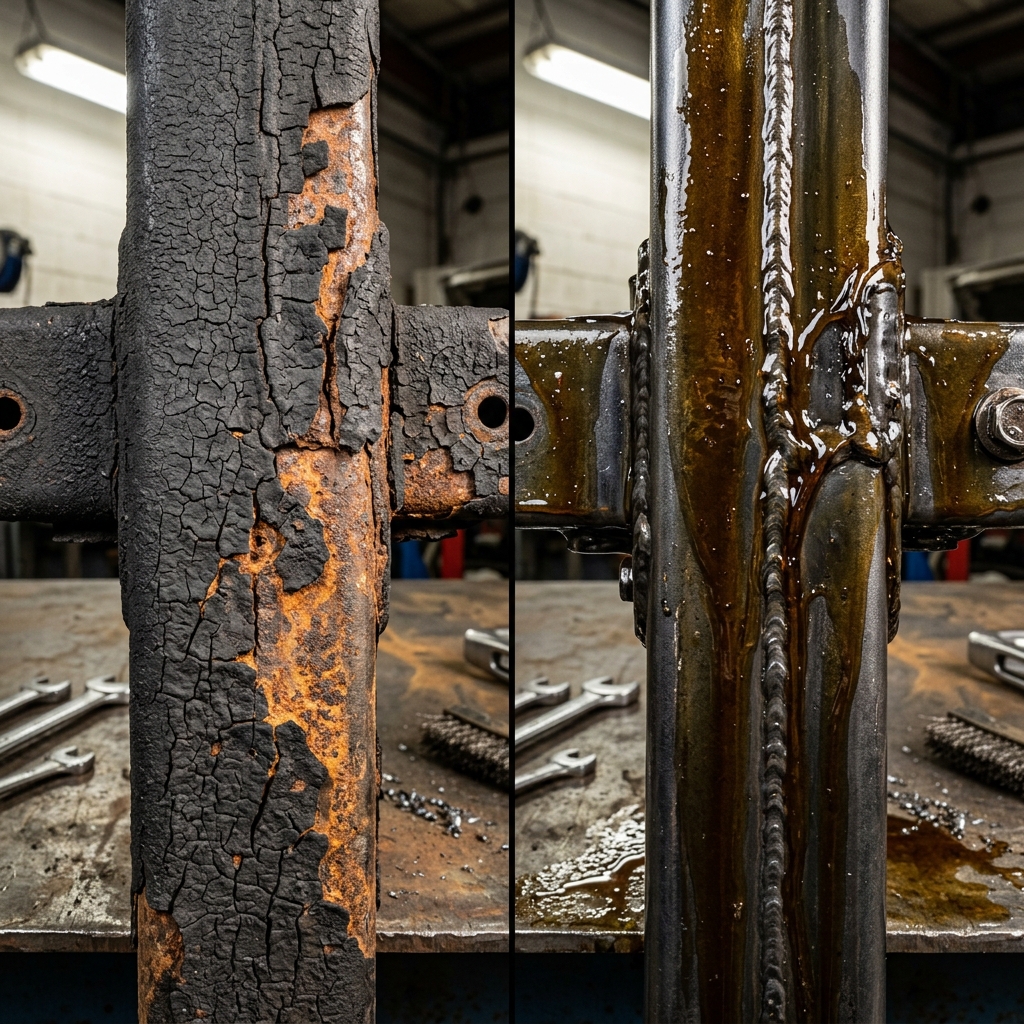
Choosing between rubberized undercoating and active oil-based corrosion inhibitors is one of the most critical maintenance decisions for Chicagoland vehicle owners. While hard rubberized sprays seem protective, they pose severe hidden risks if applied improperly.
The Hidden Danger of Rubberized Spray Coatings
Rubberized coatings dry into a rigid, non-flexible outer shell over frame rails and floor pans. Over time, road gravel, thermal expansion, and flexing create micro-cracks in the shell. Brine and salt water seep into these micro-cracks and become trapped directly against the bare metal frame. Because the moisture cannot evaporate through the hard barrier, rot spreads rapidly from the inside out—completely unobserved until structural integrity fails.
Rubberized coatings dry into a rigid, non-flexible outer shell over frame rails and floor pans. Over time, road gravel, thermal expansion, and flexing create micro-cracks in the shell. Brine and salt water seep into these micro-cracks and become trapped directly against the bare metal frame. Because the moisture cannot evaporate through the hard barrier, rot spreads rapidly from the inside out—completely unobserved until structural integrity fails.
The Self-Healing Superiority of Oil-Based Rust Protection
In contrast, non-drying oil-based and lanolin coatings never harden. They remain active gel barriers that continually ‘creep’ into frame cavities, pinch welds, seams, and factory drainage holes. If hit by road debris, the self-healing film automatically flows back over the exposed area, displacing water and creating a durable moisture barrier that salt slurry cannot penetrate.
In contrast, non-drying oil-based and lanolin coatings never harden. They remain active gel barriers that continually ‘creep’ into frame cavities, pinch welds, seams, and factory drainage holes. If hit by road debris, the self-healing film automatically flows back over the exposed area, displacing water and creating a durable moisture barrier that salt slurry cannot penetrate.
Fluid Film vs Woolwax: Does Woolwax or Fluid Film Smell Stronger After Application?
How Much Does DIY Fluid Film Rustproofing Cost Compared to Professional Service?
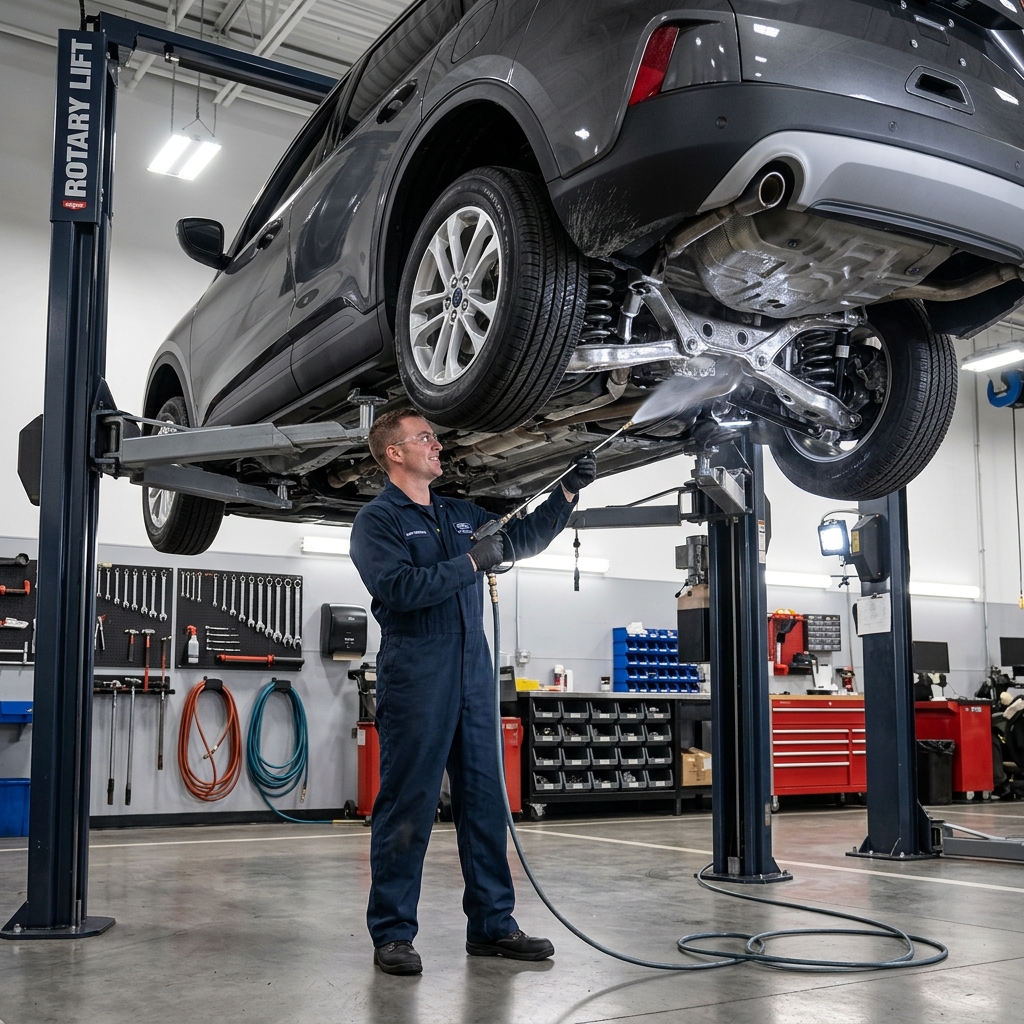
How Much Does Professional Vehicle Underbody Rustproofing Cost in Chicagoland?
How to Test Your Battery and Reserve Capacity Before Winter Hits
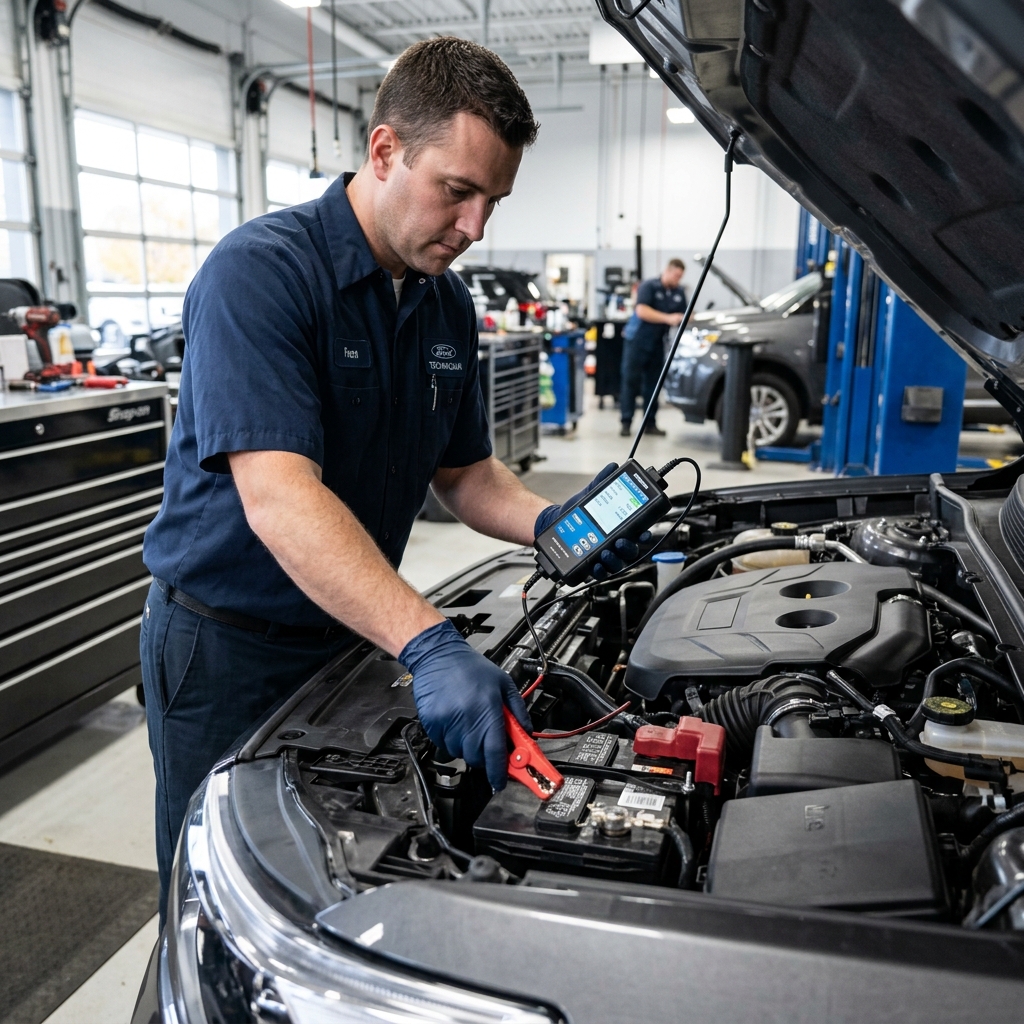
Testing your battery before the first freeze is the single best way to avoid being stranded in an icy parking lot. Follow these steps during your autumn inspection:
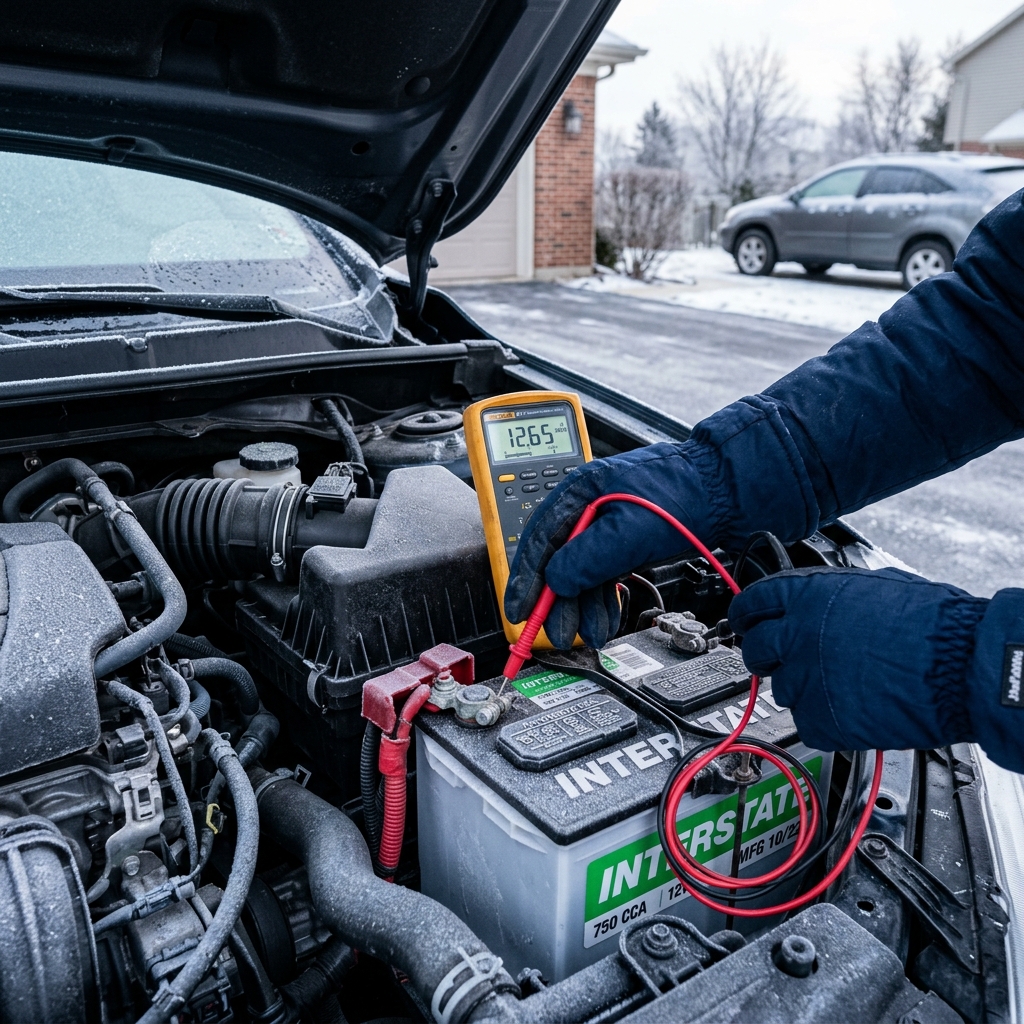
1. Digital Conductance Testing: Traditional voltmeters only measure resting voltage (12.6V is fully charged). A modern handheld conductance analyzer sends an electrical frequency through the plates to measure actual remaining Cold Cranking Amps against original OEM ratings. 2. Evaluate Reserve Capacity (RC): Reserve Capacity measures how many minutes a battery can deliver 25 amps of current before dropping below 10.5 volts. If your alternator fails or severe traffic delays your commute, strong Reserve Capacity keeps critical safety systems running. 3. Clean Terminals & Inspect Case: Remove lead-sulfate corrosion using a wire brush and baking soda solution. Inspect the plastic casing for swelling, cracks, or bulging caused by summer heat damage.
Essential Winter Driving Emergency Kit and Cold-Weather Checklist
Schedule Winter Maintenance and Battery Service at Hawk Ford of Carol Stream
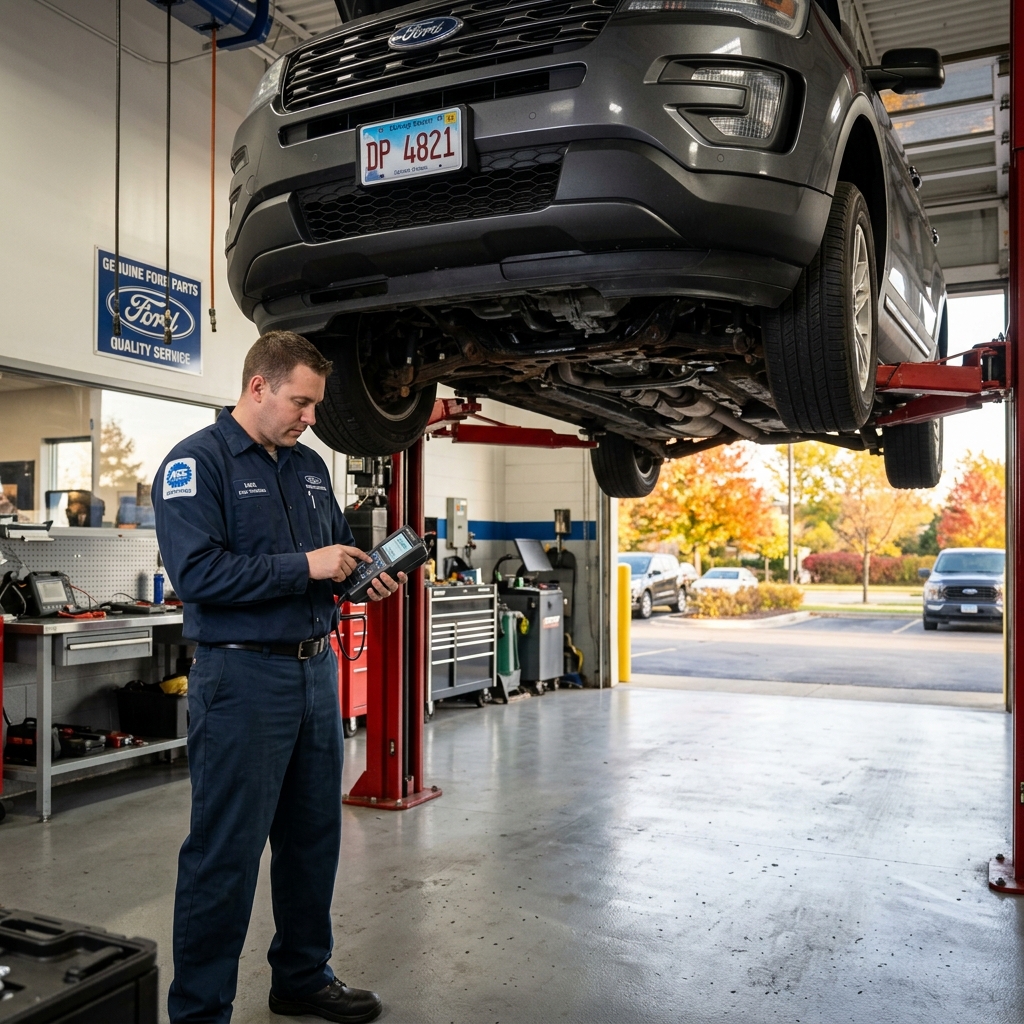
Don’t wait for the first sub-zero morning in DuPage County to find out your battery lacks the Cold Cranking Amps needed to start your engine. The factory-certified service center at Hawk Ford of Carol Stream is equipped with state-of-the-art diagnostic testing equipment, genuine Motorcraft® AGM batteries, synthetic cold-weather lubricants, and professional undercarriage protection services.
Whether you are driving from Carol Stream, Glendale Heights, or Bloomingdale, our certified technicians are ready to prepare your vehicle for severe Northern Illinois winter driving conditions. Explore our New Vehicle Inventory, check our Used Vehicle Inventory, or get your vehicle inspected today.
0 comment(s) so far on Northern Illinois Winter Driving CCA Rating & Cold Weather Prep Guide